
Introduction:
Skiing and snowboarding are exhilarating winter sports that draw enthusiasts to the mountains each season. The rush of carving through fresh powder and tackling challenging terrain is unmatched, but it’s crucial to be prepared for the unexpected. Accidents can happen, and having a solid understanding of first aid for both skiing and snowboarding is essential. In this article, we’ll explore the importance of first aid on the slopes and provide a comprehensive guide to handling common injuries for both skiing and snowboarding.
The Vital Role of First Aid in Winter Sports
Before you hit the slopes, it’s essential to recognize the vital role that first aid plays in ensuring a safe and enjoyable skiing or snowboarding experience. Whether you’re a seasoned veteran or a first-timer, understanding basic first aid principles can make a significant difference in managing injuries and emergencies on the mountain.
Common Injuries in Skiing and Snowboarding: Know the Risks
Sprains and Strains:
- Immediate Response: R.I.C.E. (Rest, Ice, Compression, Elevation).
- Prevention: Warm up before hitting the slopes, and ensure proper equipment fit.
Fractures:
- Immediate Response: Immobilize the injured area, and seek professional medical help.
- Prevention: Be cautious on challenging terrain, and follow skiing or snowboarding guidelines. Learn the FIS code.
Head Injuries:
- Immediate Response: Assess the situation, seek professional help, and avoid removing the helmet if worn.
- Prevention: Always wear a helmet, and be aware of your surroundings.
Cold-related Injuries:
- Immediate Response: Move to a warmer place, remove wet clothing, and gradually warm the affected areas.
- Prevention: Dress in layers, stay dry, and take regular breaks in cold weather.
Snowboarding-Specific Injuries:
- Wrist Injuries: Wear wrist guards to reduce the risk of fractures.
- Snowboarder’s Ankle: Strengthen ankle muscles and use proper boots to prevent this common injury.
- Building a Comprehensive First Aid Kit for Winter Sports
A well-prepared skier or snowboarder should always carry a comprehensive first aid kit. Particularly in the Backcountry. Key items to include are:
- Bandages, gauze, and adhesive tape for wound care.
- Pain relievers and anti-inflammatory medication.
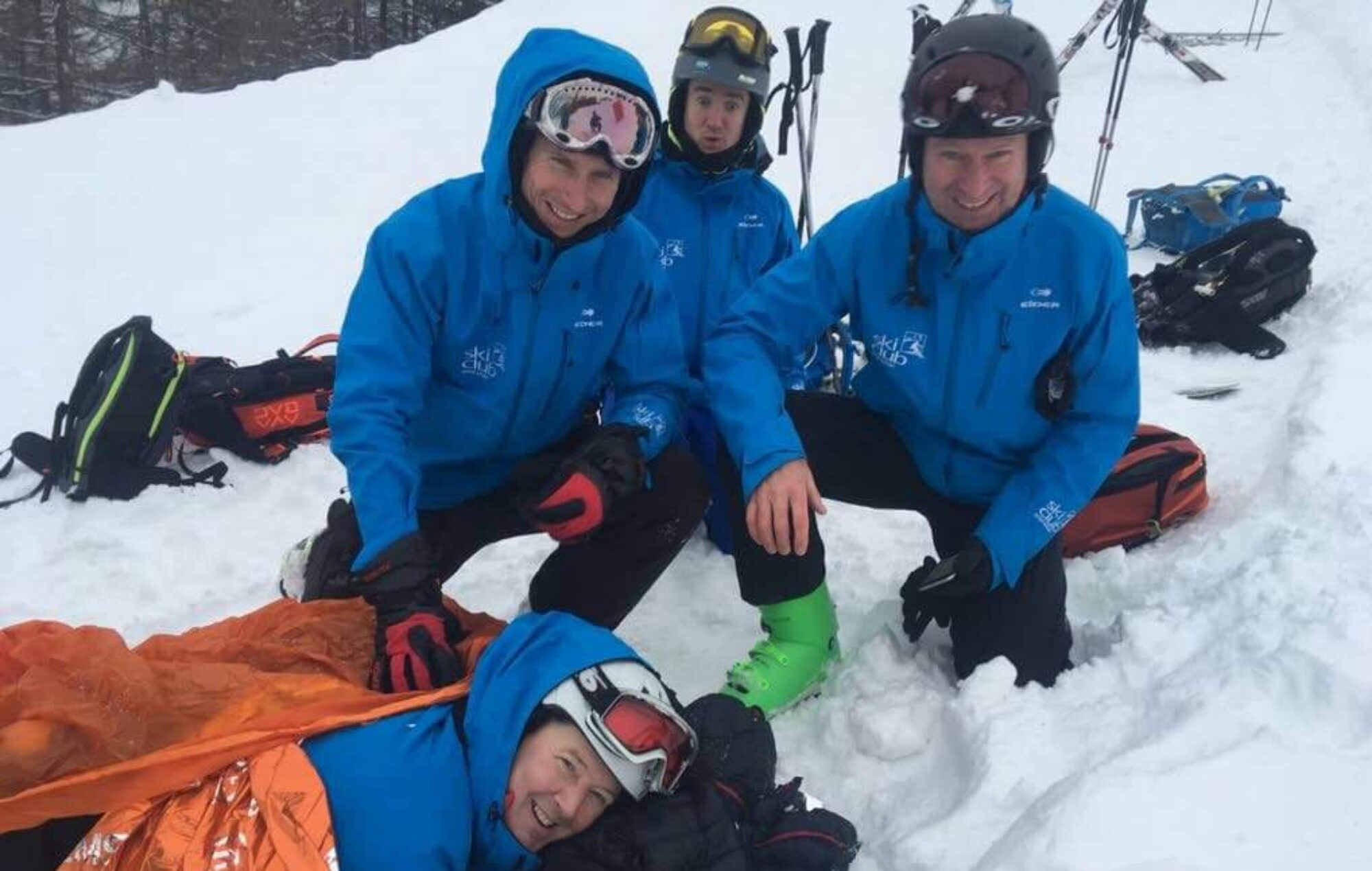
- Compact emergency blanket for warmth.
- Bivvy bag or and an Emergency Shelter
- Ski or snowboard-specific multi-tool for equipment repairs.
- When to Call for Professional Help: Ski Patrol and Emergency Services
While first aid knowledge is valuable, there are situations where professional help is essential. Ski patrol teams are trained to handle emergencies on the slopes and should be contacted in the event of a serious injury. Familiarise yourself with the location of the nearest ski patrol station and emergency contact information. This can be found on the back of a piste map
Conclusion:
As you gear up for another season of skiing or snowboarding adventures, remember that safety should always be a top priority. By understanding first aid principles, recognizing common injuries, and being prepared with a well-stocked first aid kit, you can ensure a safer and more enjoyable experience on the slopes. Embrace the thrill of the mountains, but do so responsibly, equipped with the knowledge to handle any challenges that may arise. Do yourself a favour, learn what to do in an Emergency on one of our Outdoor First Aid courses.